What Fruits and Vegetables Are in Season in 8a Georgia and Questions to Ask Your Farmer
Eating fresh, seasonal produce is one of the best ways to enjoy vibrant flavors and support local agriculture. If you live in USDA hardiness zone 8a in Georgia, knowing which fruits and vegetables are in season can help you plan meals, shop smarter, and connect with farmers at your local markets. This guide breaks down the seasonal harvests throughout the year and offers practical questions to ask your farmer to get the most from your local produce.
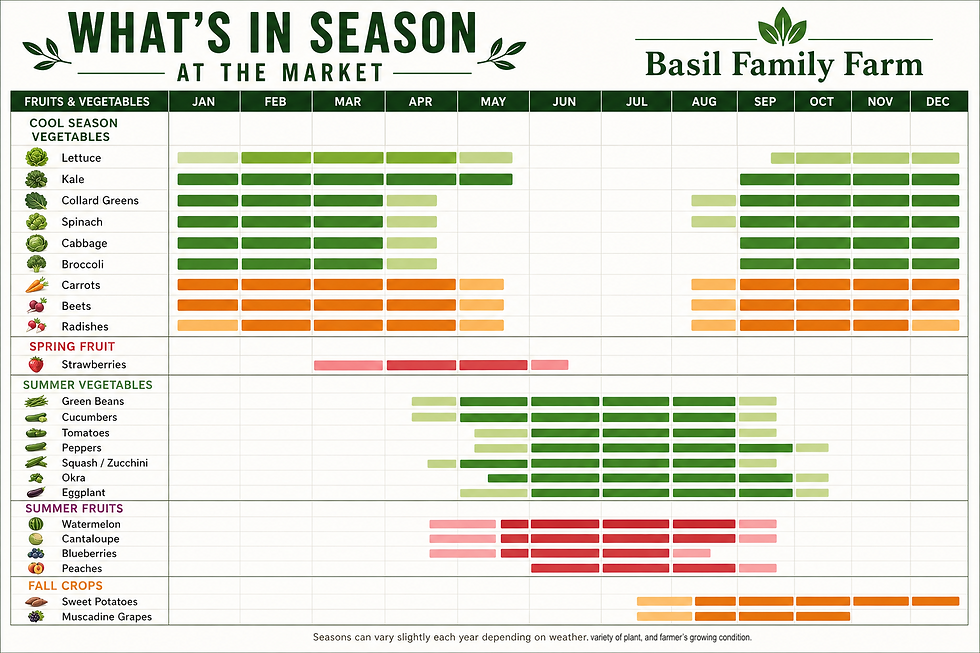
Seasonal Fruits and Vegetables in 8a Georgia
Georgia’s climate in zone 8a offers a long growing season with mild winters and hot summers. This allows a wide variety of fruits and vegetables to thrive at different times of the year.
Spring (March to May)
Spring brings fresh greens and early fruits that signal the start of the growing season.
Vegetables
- Asparagus
- Spinach
- Lettuce
- Radishes
- Peas
- Broccoli
- Kale
Fruits
- Strawberries (early spring)
- Blueberries (late spring)
Spring vegetables tend to be tender and packed with nutrients. Look for crisp lettuce and sweet peas at farmers markets.
Summer (June to August)
Summer is peak season for many of Georgia’s most popular fruits and vegetables.
Vegetables
- Tomatoes
- Cucumbers
- Bell peppers
- Okra
- Green beans
- Zucchini
- Eggplant
Fruits
- Peaches
- Watermelon
- Blackberries
- Blueberries (early summer)
- Muscadine grapes
Summer produce is often juicy and sweet, perfect for fresh eating or preserving.
Fall (September to November)
Fall harvests bring hearty vegetables and late-season fruits.
Vegetables
- Sweet potatoes
- Pumpkins
- Winter squash
- Collard greens
- Cabbage
- Carrots
- Beets
Fruits
- Apples
- Pears
- Figs
- Persimmons
Fall vegetables are great for roasting and soups, while fruits like apples and pears are ideal for baking and snacking.
Winter (December to February)
Winter in zone 8a is mild enough to grow some cool-weather crops.
Vegetables
- Kale
- Collards
- Brussels sprouts
- Turnips
- Mustard greens
- Cabbage
Fruits
- Citrus (limited, mostly from greenhouses or southern parts of Georgia)
Winter greens are often more flavorful after a frost and add color to winter meals.
How to Use Seasonal Produce
Eating seasonally means enjoying fruits and vegetables at their peak flavor and nutritional value. Here are some tips:
Plan meals around what’s fresh: For example, use fresh tomatoes and cucumbers in summer salads or hearty root vegetables in fall stews.
Preserve surplus: Freeze berries, can tomatoes, or pickle cucumbers to enjoy later.
Try new recipes: Seasonal produce can inspire dishes you might not usually make.
Every farm is different
What you see at one booth might not match another.
That’s because:
Soil is different
Planting schedules vary
Crop choices are intentional
Farming is both science and strategy.
Farmers use tools to extend the season
Not every farmer is growing the same way.
Some may use:
High tunnels
Hoop houses
Shade cloth
These tools can:
Start crops earlier
Keep crops going longer
Protect from extreme weather
So yes—you might see something slightly “out of season,” and it could still be locally grown.
Questions to Ask Your Farmer (And Why They Matter)
How was this grown?
This helps you understand the farmer’s practices—whether they use natural methods, sprays, organic approaches, or specific soil-building techniques. It gives you clarity on what you’re feeding your family and builds trust in who you’re buying from.
How should I store this?
Not everything goes in the fridge, and not everything belongs on the counter. Asking this helps your produce last longer, keeps flavor intact, and reduces waste—especially important when you’re buying fresh, local food.
Are there any upcoming crops I can look forward to?
This connects you to the rhythm of the farm. You’ll know what’s coming next, when to come back, and what to plan your meals around. It also helps you shop more intentionally instead of just reacting to what’s on the table.
What varieties do you grow?
Not all tomatoes, greens, or peppers are the same. Different varieties have different flavors, textures, and uses. This question helps you discover new favorites and understand why something might taste better (or cook better) than what you’re used to.
When is peak season for this crop?
This helps you buy at the best time—when flavor is highest, prices are often lower, and the crop is most abundant. It’s also when you may want to buy extra for freezing, preserving, or sharing.
Benefits of Buying Seasonal Produce in 8a Georgia
Choosing seasonal fruits and vegetables grown locally offers several advantages:
Better flavor and nutrition: Produce picked at peak ripeness tastes better and retains more nutrients.
Supports local farmers: Buying directly helps sustain local agriculture and the community.
Lower environmental impact: Seasonal, local produce requires less transportation and storage energy.
Cost savings: Seasonal items are often more affordable due to abundance.
Tips for Shopping at Farmers Markets
To make the most of your visit to a farmers market in Georgia:
Go early for the best selection.
Bring reusable bags to carry your produce.
Ask questions to learn about the food and farming practices.
Try samples when available to discover new favorites.
Buy in season to enjoy the freshest and most affordable options.
You don’t have to memorize every crop and every season.
Just remember this:
Spring = leafy Summer = juicy Fall = hearty Winter = greens
And if you’re ever unsure—just ask your farmer.
We’re here to help.
Basil Family Farm
Comments